
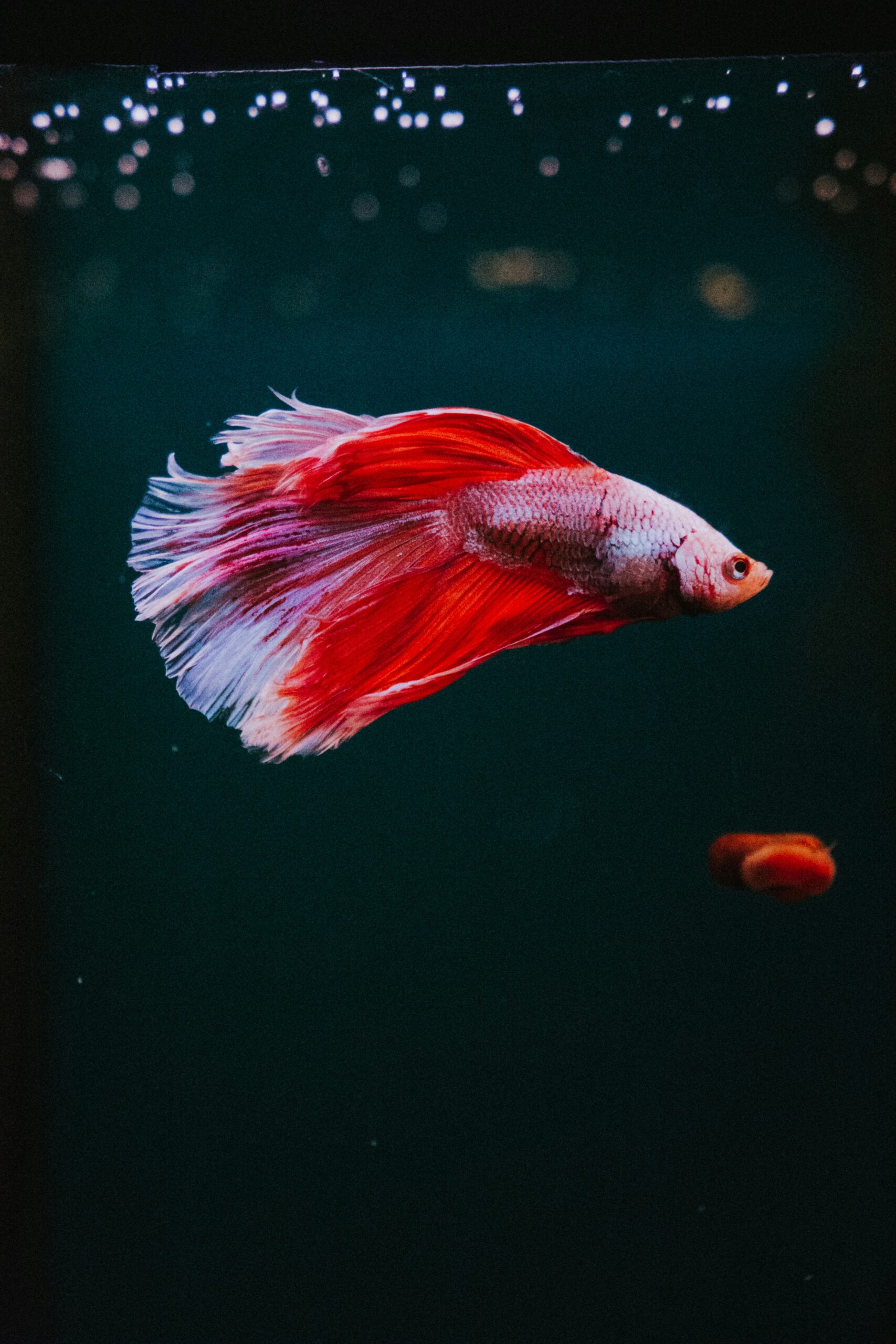
If you’ve ever been drawn to the flowing fins and bold colors of a betta fish, you’re not alone. Bettas are one of the most popular freshwater fish for a reason. But once the excitement of bringing one home sets in, a question naturally follows:
How long do betta fish live?
The short answer: with proper care, a betta can live 2 to 5 years, and sometimes even longer. But lifespan isn’t just about time—it’s about the quality of care your fish receives along the way.
In this article, we’ll dive into what affects a betta’s lifespan, common mistakes to avoid, and what you can do to help your fish live a longer, healthier life.
New to bettas? Start with our Beginner’s Guide to Betta Fish Care to set yourself up for success.
What’s the Average Lifespan of a Betta?
On average, betta fish live 2 to 4 years in captivity. However, many hobbyists have kept bettas alive for 5+ years with exceptional care.
It’s important to note that most bettas sold in pet stores are already 6 to 12 months old by the time you take them home. That means your fish’s “life clock” is already ticking, which is why good care from day one is so crucial.
Factors That Affect a Betta’s Lifespan
1. Tank Size and Environment
Contrary to popular belief, bettas don’t “like” tiny bowls. They can survive in them, but they certainly don’t thrive. A 5-gallon tank or larger is ideal, and it should be equipped with a heater and filter to maintain stable conditions.
A cramped or unstable environment can lead to stress, disease, and early death.
Tip: A larger tank is easier to maintain and keeps ammonia levels more stable.
2. Water Quality
Bettas are hardy fish, but they’re not immune to bad water. Dirty tanks are a silent killer.
- Use a water conditioner to neutralize chlorine and heavy metals.
- Keep water temperature between 76–82°F.
- Perform 25–50% water changes weekly.
- Regularly test water for ammonia, nitrite, and nitrate levels.
Cycling your tank before adding a betta is essential. An uncycled tank exposes your fish to deadly ammonia spikes.
3. Diet and Feeding Habits
Feeding your betta the right food can add years to its life. A high-protein diet is a must, as bettas are carnivores by nature.
- Choose quality pellets designed for bettas.
- Supplement with frozen or live foods like bloodworms or brine shrimp.
- Avoid overfeeding—stick to what your betta can eat in 2–3 minutes, once or twice a day.
Overfeeding leads to bloating, constipation, and water pollution.
4. Stress and Stimulation
Stress is an invisible killer. Bettas need hiding spots, plants, and a peaceful environment.
- Avoid placing your tank in loud, high-traffic areas.
- Use silk or live plants to prevent fin tears.
- Provide occasional stimulation—like floating toys or mirrors (only for a few minutes at a time).
Chronic stress lowers immunity and shortens lifespan.
Do Male or Female Bettas Live Longer?
Both male and female bettas have similar lifespans when cared for properly. However, females tend to have less elaborate fins, which can reduce the risk of fin rot and tearing.
Male bettas are more prone to stress-related behaviors due to their aggressive and territorial nature. But with the right setup, either gender can live a long, healthy life.
Common Myths About Betta Lifespan
❌ “Bettas only live 1 or 2 years.”
Wrong. In poor conditions, yes. But properly kept bettas can easily reach 4–5 years or more.
❌ “They’re fine in small bowls without a filter.”
That myth causes countless premature deaths. Bettas need clean, warm water just like any tropical fish.
❌ “You can’t keep them with other fish.”
Partly true, but not absolute. Some bettas tolerate peaceful tankmates in larger setups. The key is choosing the right fish and watching for aggression.
How Long Can a Betta Live Without Food?
If you’re planning a short trip or forgot a feeding, don’t panic. A healthy adult betta can survive 7–10 days without food—but it’s not ideal.
Any longer than 3–4 days without food may lead to stress or weight loss. Use an automatic feeder or ask someone to feed your fish if you’ll be gone for more than a few days.
Signs Your Betta Is Aging
As bettas age, you might notice:
- Slower swimming
- Faded colors
- Shorter or torn fins
- Decreased appetite
This doesn’t mean your betta is suffering—it’s a natural part of the aging process. Just keep the water clean and the environment calm and comforting.
Real-Life Example: My Betta “Echo”
One of my longest-living bettas, Echo, lived to be just over 5 years old. I kept him in a heated, filtered 10-gallon tank with live plants and driftwood.
His personality was laid-back, and he especially loved bloodworms and flaring at his reflection. The key to his longevity? Clean water, variety in food, and low stress. That’s it.
FAQ
🐟 Can betta fish live 10 years?
It’s extremely rare. 6–7 years is about the max reported lifespan, and that’s with pristine genetics and top-tier care.
🐟 Is 1 gallon enough for a betta?
Not for long-term health. Bettas can survive in 1 gallon tanks, but it’s stressful and limits filtration and heating options. Go for 5 gallons or more.
🐟 Why did my betta die after a few weeks?
Common causes include uncycled tanks, temperature shock, poor water quality, or illness introduced from pet stores.
Final Thoughts: Life, Not Just Survival
Betta fish don’t ask for much—but they do ask for consistency. With proper care, your betta can be more than a decoration—it can be a companion for years, not just months.
If you want your betta to live a long, healthy life, remember:
- Give it space.
- Keep the water clean and warm.
- Feed high-quality food.
- Reduce stress wherever possible.


